




- Blog
- دورة التحليل الفني للمبتدئين: دليل واضح للبدء من الصفر

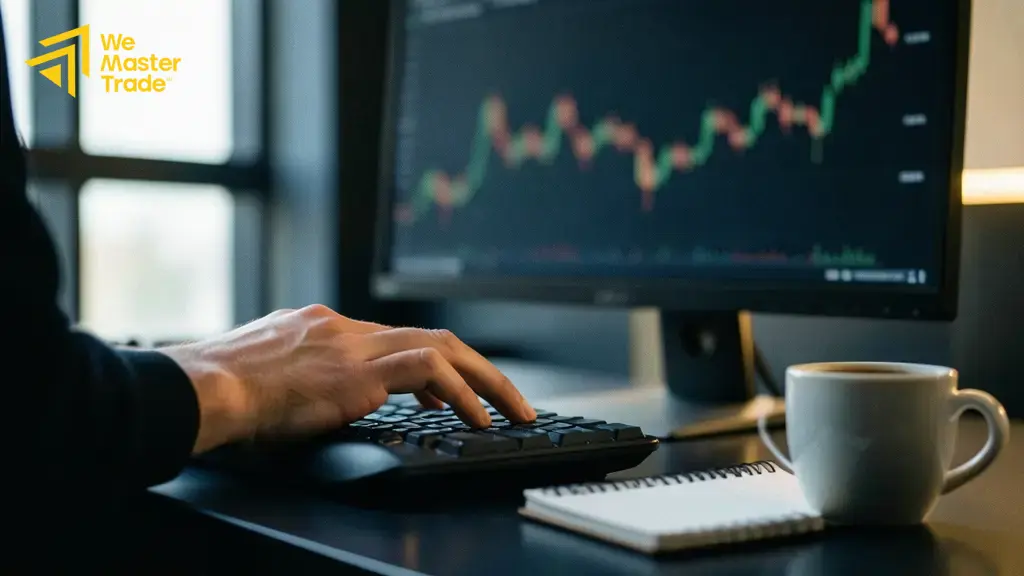
دخول عالم التداول بدون أساس منظم يشبه قراءة كتاب بلغة غير مفهومة. تظهر الأرقام والخطوط والشموع أمامك، لكنك لا تعرف ماذا تعني ولا كيف تتصرف بناءً عليها. هنا تأتي أهمية دورة التحليل الفني للمبتدئين كمسار تعليمي يبني فهمك خطوة بخطوة، بدل التنقل العشوائي بين مقاطع متفرقة ومصادر متناقضة. في هذا الدليل نشرح ما تعنيه الدورة، وماذا ستتعلم فيها، وكيف تختار المصدر المناسب، مع مقارنة عملية بين الدورة والكتاب. الهدف تعليمي بحت: أن تفهم الأساس قبل أي قرار تسجيل أو تداول. ولمن يريد نظرة أوسع على رحلة التعلم، يوفر موقع WeMasterTrade محتوى تأسيسيًا يربط بين مهارات التحليل والتطبيق المنضبط.
ما هي دورة التحليل الفني للمبتدئين؟
التحليل الفني هو دراسة حركة السعر عبر الرسم البياني لفهم سلوك السوق وتوقع الاحتمالات القادمة. لا يعتمد على أخبار الشركة أو بياناتها المالية، بل على السعر نفسه وعلى النماذج التي يكررها المتداولون. دورة التحليل الفني للمبتدئين ببساطة مسار منظم يأخذ بيدك من الصفر: من قراءة الشمعة الواحدة، إلى فهم الاتجاه، إلى تحديد مناطق القرار على الشارت.
الفكرة الأساسية أن الدورة تحول المعلومات المبعثرة إلى تسلسل منطقي. تبدأ بمفهوم، ثم تبني عليه مفهومًا أعلى، حتى تصل إلى صورة متكاملة تفهم بها الرسم البياني بثقة.
لماذا يحتاج المبتدئ إلى أساس منظم؟
المشكلة الأكبر عند المبتدئ ليست نقص المعلومات، بل كثرتها وتشتتها. تشاهد فيديو عن الشموع، ثم آخر عن مؤشر متقدم، ثم مقالًا عن استراتيجية معقدة، فتخرج بمعرفة سطحية غير مترابطة.
الأساس المنظم يعالج هذه العشوائية. يعطيك ترتيبًا واضحًا للمفاهيم، ويمنعك من القفز إلى مواضيع متقدمة قبل استيعاب الأساسيات. هذا يوفر عليك وقتًا طويلاً ويقلل الأخطاء الناتجة عن فهم ناقص.
ماذا تتضمن الدورة عادة؟
تختلف الدورات في التفاصيل، لكن أي دورة جادة للمبتدئين تغطي هذه العناصر الأساسية:
- قراءة الشموع اليابانية وفهم حركة السعر.
- تحديد الاتجاه العام ورسم خطوط الترند.
- مناطق الدعم والمقاومة على الرسم البياني.
- المؤشرات الفنية الشائعة ودورها المساعد.
- مبادئ أولية في إدارة المخاطر.
هذه العناصر تشكل حجر الأساس، وتنطبق على الفوركس والأسهم والعملات الرقمية على حد سواء، لأن مبادئ حركة السعر واحدة رغم اختلاف الأسواق.
لمن تناسب هذه الدورة؟
ليست كل دورة مناسبة لكل شخص. تحديد فئتك يساعدك على اختيار المستوى الصحيح وعدم إضاعة الوقت في محتوى أعلى أو أقل من احتياجك.

المبتدئ الكامل
إذا لم يسبق لك التعامل مع الرسم البياني، فالدورة التأسيسية موجهة لك تحديدًا. تبدأ من تعريف المصطلحات الأساسية، ولا تفترض أي معرفة سابقة. المهم أن تختار دورة لا تقفز بسرعة نحو الاستراتيجيات المعقدة، بل تمنحك وقتًا كافيًا لكل مفهوم.
من يعرف الأساسيات ويريد ترتيبها
كثير من المتداولين لديهم معرفة متفرقة: يعرفون الشموع لكن لا يجيدون قراءة الاتجاه، أو يفهمون الدعم والمقاومة لكن يخلطون بينها وبين المؤشرات. هنا تفيد الدورة في إعادة ترتيب الفهم داخل إطار واحد متماسك، فتتحول المعرفة العشوائية إلى منهج واضح تستطيع البناء عليه.
ماذا ستتعلم داخل دورة التحليل الفني؟
هذا القسم يوضح المنهج المتوقع في أي دورة تأسيسية جيدة. اعتبره خريطة تعلم تقيس بها جودة أي مصدر قبل الالتزام به.
قراءة الشموع اليابانية
الشمعة اليابانية هي الوحدة الأساسية للرسم البياني. تخبرك بسعر الافتتاح والإغلاق وأعلى وأدنى سعر خلال فترة محددة. فهم الشمعة الواحدة يفتح الباب لفهم النماذج التي تتكون من عدة شموع وتشير إلى احتمال انعكاس أو استمرار الحركة. للتعمق في هذا الأساس يمكنك مراجعة دليل نماذج الشموع اليابانية الذي يشرح أشهر التشكيلات وطريقة قراءتها.
الاتجاهات وخطوط الترند
السوق يتحرك في ثلاثة اتجاهات: صاعد، هابط، أو عرضي. تحديد الاتجاه قبل أي قرار هو مهارة محورية، لأن التداول ضد الاتجاه يزيد احتمالات الخطأ. تعلمك الدورة رسم خطوط الترند التي تصل بين القمم أو القيعان لتوضيح مسار السعر العام وقوته.
الدعم والمقاومة
الدعم منطقة يميل السعر للتوقف عندها عند الهبوط، والمقاومة منطقة يميل للتوقف عندها عند الصعود. هذه المناطق تمثل نقاط قرار مهمة يراقبها المتداولون، وكسرها أو ارتدادها يعطي إشارات قوية. يمكنك توسيع فهمك عبر مقال الدعم والمقاومة الذي يشرح كيفية رسم هذه المناطق واستخدامها.
المؤشرات الفنية الأساسية
المؤشرات أدوات حسابية تُبنى على السعر أو الحجم لتقديم قراءة مساعدة. للمبتدئ يكفي التعرف على مؤشر أو اثنين وفهم دورهما بدل تكديس عشرات المؤشرات على الشاشة. من الأمثلة الشائعة مؤشر يقيس زخم الحركة، ويمكنك التعرف عليه عبر شرح مؤشر الماكد. تذكر أن المؤشر مساعد وليس قرارًا نهائيًا بذاته.
إدارة المخاطر بصورة أولية
لا يكتمل التحليل الفني بدون فهم إدارة المخاطر. حتى أفضل قراءة للشارت قد تخطئ، لذا يجب أن تعرف كيف تحمي رأس مالك. من أهم أدوات ذلك أمر وقف الخسارة، ويمكنك تعلم أساسياته من مقال طريقة وقف الخسارة. الهدف بناء سلوك تداول منضبط منذ البداية، لا مطاردة الأرباح.
كيف تختار دورة مناسبة للمبتدئين؟
تتفاوت الدورات في جودتها بشكل كبير. المعايير التالية تساعدك على تقييم أي مصدر قبل الالتزام به، بعيدًا عن الوعود البراقة والعناوين المبالغ فيها.
وضوح المنهج وتسلسل الدروس
الدورة الجيدة تعرض منهجها بوضوح: ماذا ستتعلم في كل مرحلة، وكيف يبني الدرس التالي على السابق. إذا كان التسلسل مبعثرًا أو يبدأ بموضوعات متقدمة مباشرة، فهي غالبًا غير مناسبة للمبتدئ.
وجود أمثلة تطبيقية
الشرح النظري وحده لا يكفي. المهارة تتكون بالتطبيق. ابحث عن دورة تعرض أمثلة حقيقية على الرسم البياني، وتوضح كيف تطبق المفهوم على شارت فعلي. التطبيق هو ما يحول المعرفة إلى قدرة عملية.
بساطة اللغة وملاءمتها للعربي المبتدئ
اختر محتوى بلغة عربية واضحة تفهمها دون عناء. المصطلحات المعقدة بدون شرح تعيق التعلم. الدورة الجيدة تشرح كل مصطلح جديد بأسلوب بسيط قبل استخدامه، وتراعي أنك تبدأ من الصفر.
دورة أم كتاب التحليل الفني للمبتدئين؟
سؤال شائع بين من يبدأون رحلتهم: هل الأفضل التعلم عبر دورة أم عبر كتاب؟ لكل خيار موضعه، والفرق بينهما يتعلق بطريقة تعلمك واحتياجك.
| المعيار | الكتاب | الدورة |
|---|---|---|
| طريقة الشرح | نصية، تحتاج تخيل الأمثلة | مرئية مع أمثلة على الشارت |
| التدرج العملي | يعتمد على انضباطك الذاتي | مرتب ومقاد خطوة بخطوة |
| التفاعل | محدود | أعلى، مع إمكانية أسئلة أحيانًا |
| التكلفة الزمنية | قد تكون أبطأ للمبتدئ | أسرع للوصول للفهم التطبيقي |
متى يكون الكتاب كافيًا؟
إذا كنت من محبي القراءة المتأنية ولديك انضباط ذاتي، فقد يكون كتاب التحليل الفني للمبتدئين نقطة انطلاق ممتازة. الكتاب يمنحك عمقًا مرجعيًا يمكنك العودة إليه، ويناسب من يفضل بناء الأساس النظري بروية قبل التطبيق.
متى تكون الدورة أفضل؟
إذا كنت تتعلم بصريًا وتحتاج رؤية التطبيق مباشرة على الرسم البياني، فالدورة أنسب. الشرح المرئي والتدرج المنظم يسرعان الفهم، خصوصًا في مواضيع مثل قراءة الشموع وتحديد المناطق. الخيار الأمثل غالبًا الدمج: كتاب كمرجع ودورة كمسار عملي.
خطة تعلم عملية بعد انتهاء الدورة
إنهاء الدورة ليس نهاية الطريق بل بدايته. المعرفة النظرية تحتاج إلى تحويلها إلى مهارة عبر التطبيق المنتظم. إليك خطة واضحة للمرحلة التالية.
التدريب على الرسم البياني
خصص وقتًا يوميًا لفتح الشارت وتطبيق ما تعلمته: حدد الاتجاه، ارسم خطوط الترند، ضع مناطق الدعم والمقاومة. التكرار اليومي يرسخ المهارة أكثر من أي شرح. لفهم آلية تنفيذ الصفقة عمليًا يمكنك مراجعة مقال كيف افتح صفقة تداول.
تدوين الملاحظات والأنماط
ابنِ دفتر تعلم خاصًا بك. سجل كل نمط تلاحظه، وكل خطأ تقع فيه، وكل استنتاج تصل إليه. هذا الدفتر يتحول مع الوقت إلى مرجع شخصي يعكس تطورك ويكشف نقاط ضعفك بوضوح.
الانتقال من الفهم إلى الاختبار
قبل أي تداول حقيقي، اختبر فهمك في بيئة منظمة. جرب حسابًا تجريبيًا أو اختبر استراتيجيتك على بيانات سابقة. الجانب النفسي هنا حاسم، ونقص الانضباط يفسد أفضل التحليلات، لذا يفيد الاطلاع على علم نفس التداول للمبتدئين لبناء سلوك متوازن قبل المخاطرة برأس المال.
أخطاء شائعة يقع فيها المبتدئ
معرفة الأخطاء الشائعة تحميك من الوقوع فيها. هذه أكثر العادات التي تفسد التعلم أو تقود إلى سوء الفهم.
الاعتماد على مؤشر واحد
يعتقد كثير من المبتدئين أن مؤشرًا واحدًا سيعطيهم إشارات مضمونة. السوق أعقد من ذلك. المؤشر أداة مساعدة، والاعتماد عليه وحده يبسّط السوق أكثر من اللازم ويقود إلى قرارات ضعيفة. الأفضل الدمج بين قراءة السعر والمناطق مع مؤشر داعم.
تجاهل السياق العام للسوق
قراءة إشارة على إطار زمني صغير دون النظر للصورة الأكبر خطأ متكرر. الاتجاه العام والسياق الأوسع يحددان قوة الإشارة. القرار الفني يجب أن يُوضع دائمًا داخل إطار السوق الأكبر لا بمعزل عنه. يفيد هنا فهم منهجية البرايس اكشن لقراءة السعر ضمن سياقه.
القفز إلى التداول قبل الفهم
الحماس يدفع كثيرين إلى فتح صفقات حقيقية قبل استيعاب الأساسيات. التعلم السريع غير المنضبط مكلف. امنح نفسك وقتًا كافيًا للفهم والتطبيق التجريبي قبل المخاطرة بأي مبلغ. لا يوجد تحليل يضمن الربح، والانضباط أهم من السرعة.
الخلاصة: كيف تبدأ بشكل صحيح؟
التحليل الفني مهارة تُبنى بالتدرج، لا معلومة تُحفظ. البداية الصحيحة توفر عليك سنوات من الأخطاء العشوائية.
ابدأ بالأساسيات
لا تقفز إلى الاستراتيجيات المعقدة. أتقن قراءة الشموع، وتحديد الاتجاه، ومناطق الدعم والمقاومة أولاً. هذه الأساسيات هي العمود الفقري لكل تحليل متقدم لاحقًا.
اختر مصدرًا منظمًا
سواء اخترت دورة أو كتابًا، احرص على أن يكون المصدر مرتبًا، بلغة واضحة، ومدعومًا بأمثلة تطبيقية. لمسار تعلم متكامل يمكنك استكشاف قسم تعلم التداول الذي يربط بين المهارات الفنية والسلوك المنضبط في السوق.
الأسئلة الشائعة
هل تصلح دورة التحليل الفني للفوركس والأسهم والعملات الرقمية معًا؟
نعم. مبادئ التحليل الفني مثل الشموع والاتجاه والدعم والمقاومة تنطبق على مختلف الأسواق، لأن حركة السعر تعكس سلوك المتداولين بغض النظر عن نوع الأصل. تختلف بعض التفاصيل مثل التقلب والسيولة، لكن الأساس واحد.
كم يحتاج المبتدئ من الوقت لإتقان الأساسيات؟
يختلف حسب الوقت المخصص والانضباط. عمومًا يحتاج المبتدئ عدة أسابيع لفهم المفاهيم الأساسية، وأشهرًا من التطبيق المنتظم لتحويلها إلى مهارة موثوقة. لا يوجد جدول ثابت، والتدرج أهم من السرعة.
هل يغني الكتاب عن الدورة؟
ليس بالضرورة. كتاب التحليل الفني للمبتدئين يمنح عمقًا مرجعيًا، بينما تقدم الدورة شرحًا مرئيًا وتطبيقًا متدرجًا. الأفضل غالبًا دمج الاثنين حسب طريقة تعلمك.
هل التحليل الفني يضمن نتائج مربحة؟
لا. التحليل الفني أداة لتقدير الاحتمالات لا التنبؤ المؤكد. حتى أفضل قراءة قد تخطئ، لذا تبقى إدارة المخاطر جزءًا أساسيًا لا يمكن الاستغناء عنه، ولا توجد طريقة خالية من المخاطر في السوق.
ما أول مهارة يجب أن أتعلمها؟
قراءة الشموع اليابانية. فهم الشمعة الواحدة ثم النماذج المكونة منها هو الأساس الذي تُبنى عليه بقية المهارات مثل الاتجاه والمناطق والمؤشرات.